


New study highlights the need for a comprehensive assessment of the environmental impact of growing media
2026-09-29
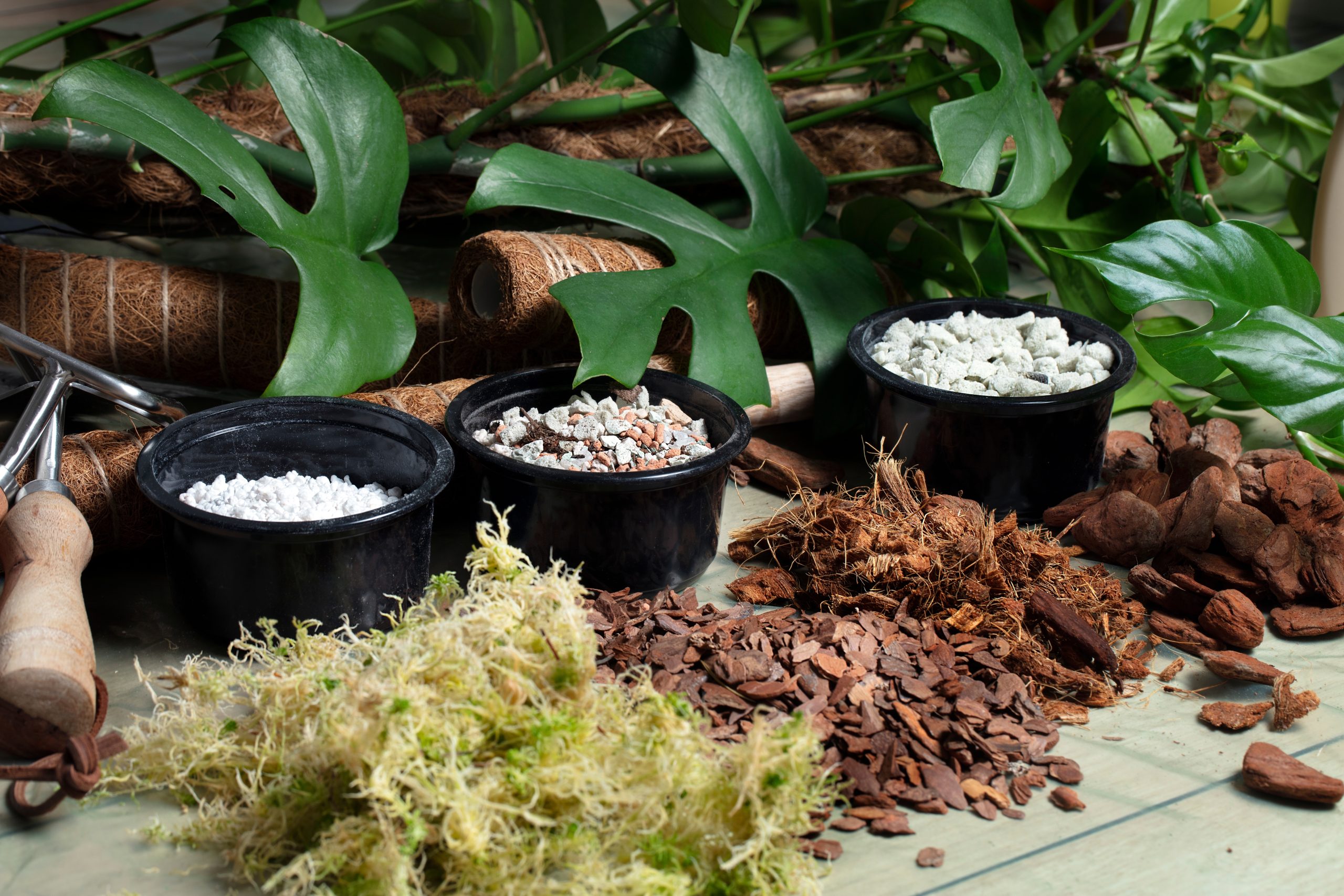
A study conducted by researchers at Wageningen University & Research (WUR) presents the first scientifically grounded dataset on the environmental impacts of the main raw materials used in growing media. The study has been accepted for publication in the Journal of Cleaner Production.
Its findings are relevant to the entire growing media sector: no single raw material is the best option across all environmental criteria. Different materials have different impacts on the climate, land use, and the consumption of water and other resources. The environmental impact of a growing medium should therefore be assessed comprehensively, considering not only its composition but also its performance in use and its entire life cycle.
The study also shows that simply replacing one raw material with another does not necessarily reduce the overall environmental impact. If an alternative material results in poorer plant growth, more water, nutrients or energy may be required. This means that both the impact of the raw material itself and the final growing outcome need to be considered.
Why is this relevant to Lithuania?
According to the Lithuanian Association of Growing Media Producers (ATGA), the findings support an approach that the sector has advocated for some time: all raw materials used in growing media need to be assessed, rather than classifying any one material in advance as the most or least environmentally favourable.
The study clearly demonstrates that there is no simple answer to the question of which raw material is “best for the environment”. A growing medium should be assessed as a whole, based on its composition, intended use, performance and entire life cycle.
Peat remains an important raw material for growing media in Lithuania, while producers are steadily increasing the use of alternative components. Growing media blends now contain increasing amounts of wood fibre, coir, compost, bark and other materials.
However, completely replacing peat in all growing media remains difficult at present. This is due to the availability of alternative raw materials, the ability to ensure consistent quality, cost, and the varying requirements of different plants and cultivation technologies.
Lithuanian producers are reducing their environmental impact
Lithuanian producers are reformulating their products, increasing the share of alternative raw materials, improving production efficiency, and placing greater emphasis on the responsible use of raw materials and peatland restoration. Companies also use certification schemes, including ISO, RPP (Responsibly Produced Peat), among others, commit to sustainability principles, and invest in more energy-efficient production.
Each raw material has its own strengths and trade-offs. The key consideration is therefore the final blend and how it performs under real growing conditions.
According to ATGA, the new scientific data provide an important basis for continued dialogue between producers, consumers, researchers and policymakers. They make it possible to base decisions not on assumptions, but on a more comprehensive assessment of the impacts of different raw materials, both during the production of the materials themselves and throughout the life cycle of the growing medium as a product.
Study: Life cycle assessment of growing media: a baseline dataset for European horticulture
Sources: Wageningen University & Research, Journal of Cleaner Production, Growing Media Europe AISBL
